IYRO ST Series
Solar Tubular Batteries
100 – 350 Ah
C10 & C20 series
Deep cycle
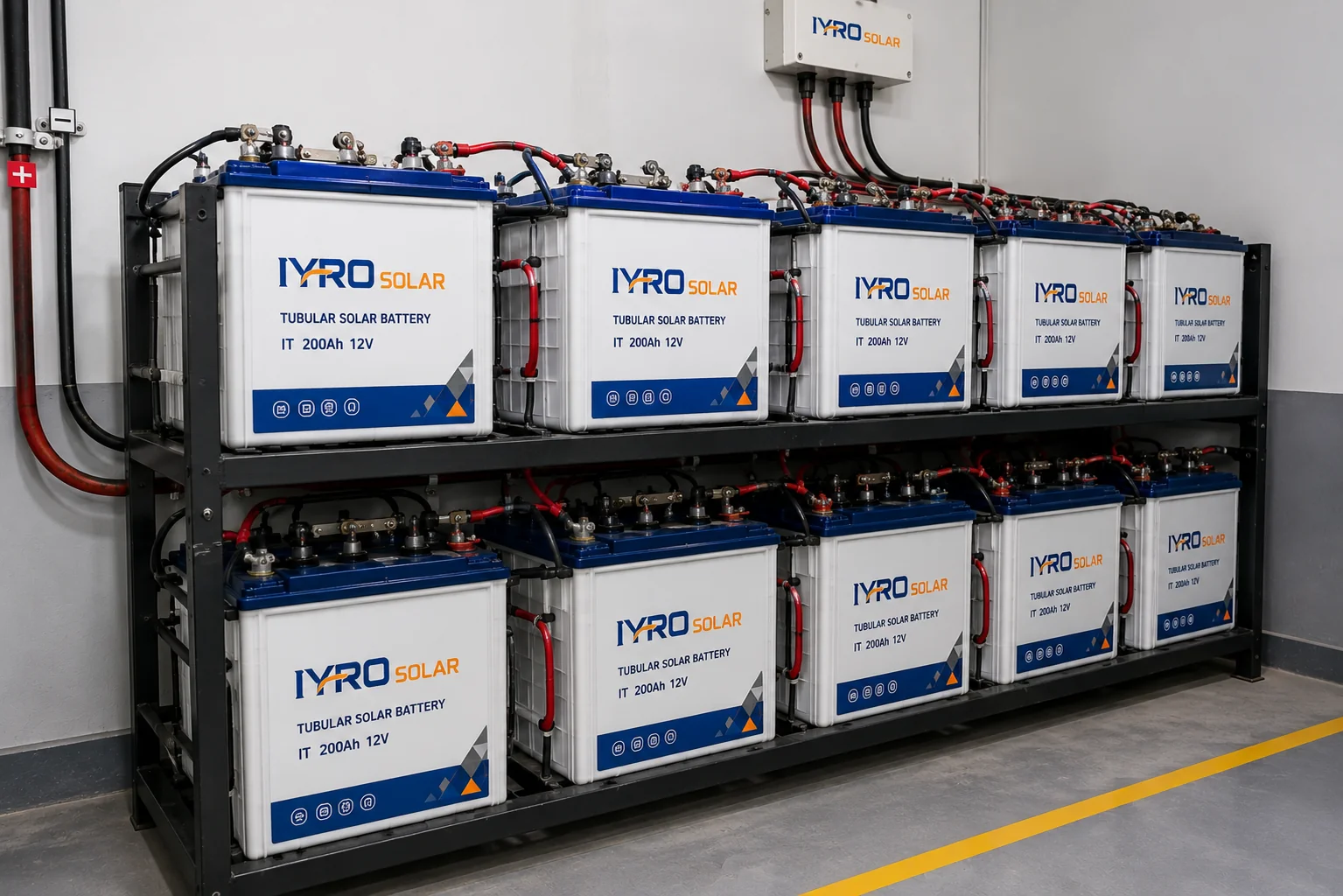
Deep-cycle tubular batteries designed to run in a partial state of charge, in C10 and C20 rated series.
- Excellent ampere-hour and watt-hour efficiency
- Designed to operate in partial state of charge
- DARAMIC separator with high porosity
- Micro-porous aqua-trap vent plug
- 8-year design life
Available Models
11 ratings in one series
Same construction and warranty across the range. Pick a rating to see its full specification.
Selected — IYRO ST Series 200 Ah
- Rated capacity
- 200 Ah
- Nominal voltage
- 12 V
- Cycle life at 50% DoD
- Plate type
- Tubular
- Dimensions
- mm
- Weight (approx.)
- 71 kg
The Short Version
A solar battery is not a UPS battery.
A UPS battery sits fully charged and discharges rarely. A solar battery is cycled deep, every day, for years, and spends much of its life part-charged. These are built for exactly that duty — which is why the datasheet quotes 20-hour, 10-hour and 3-hour rates rather than one flattering headline number.
Two rating bases, stated openly
The ISB- series is rated at C10 and the ISTT- series at C20. A C20 number looks better on paper; make sure you are comparing like with like.
Partial state of charge
Designed to operate part-charged, which is what a solar bank actually does through a cloudy week.
DARAMIC separator
High-porosity separator for good ampere-hour and watt-hour efficiency.
Aqua-trap vent plug
Micro-porous vent plug for ultra-low maintenance.
8-year design life
Across the range, under deep cyclic application and extreme temperature.
Applications
Where this range is specified
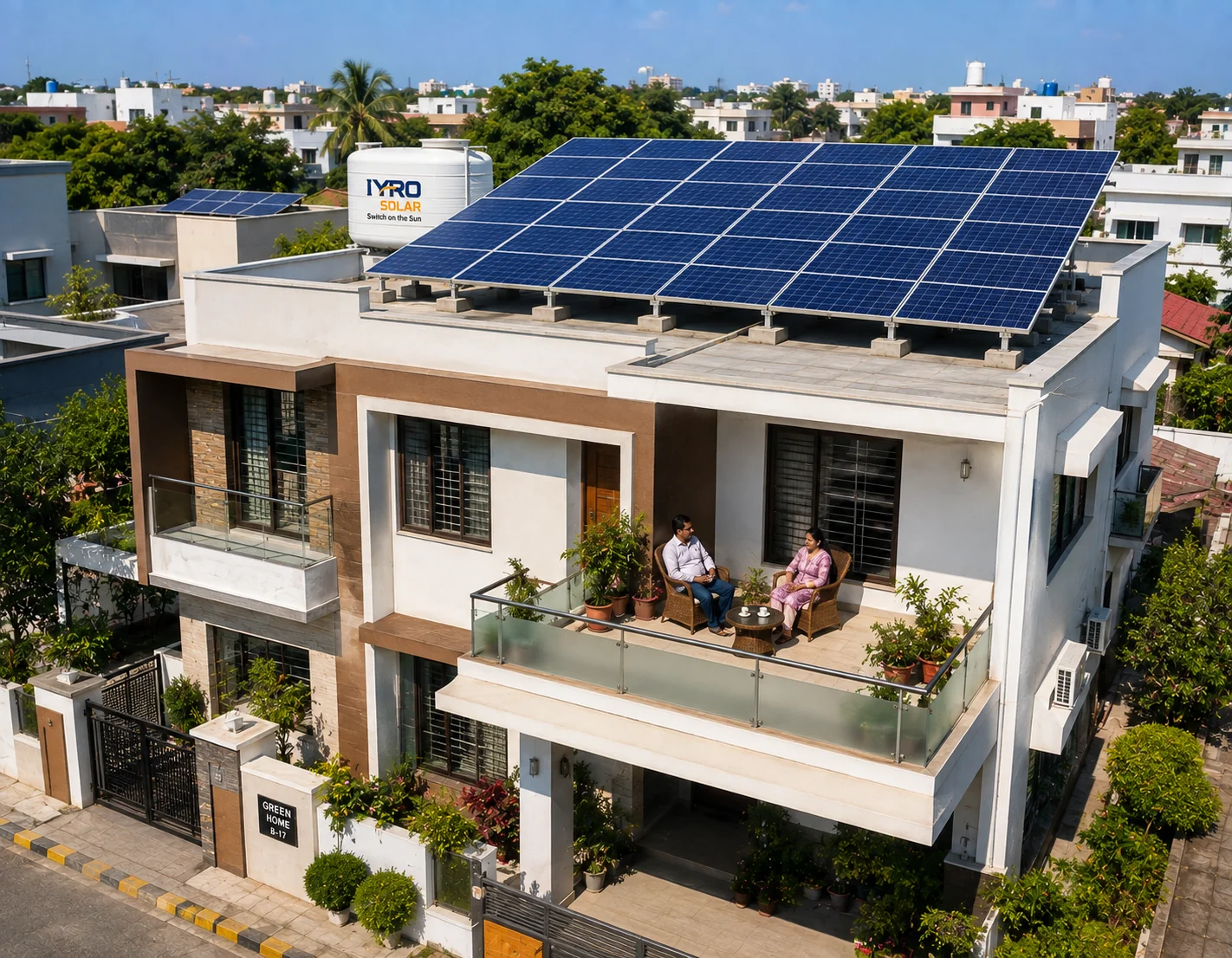
Home backup
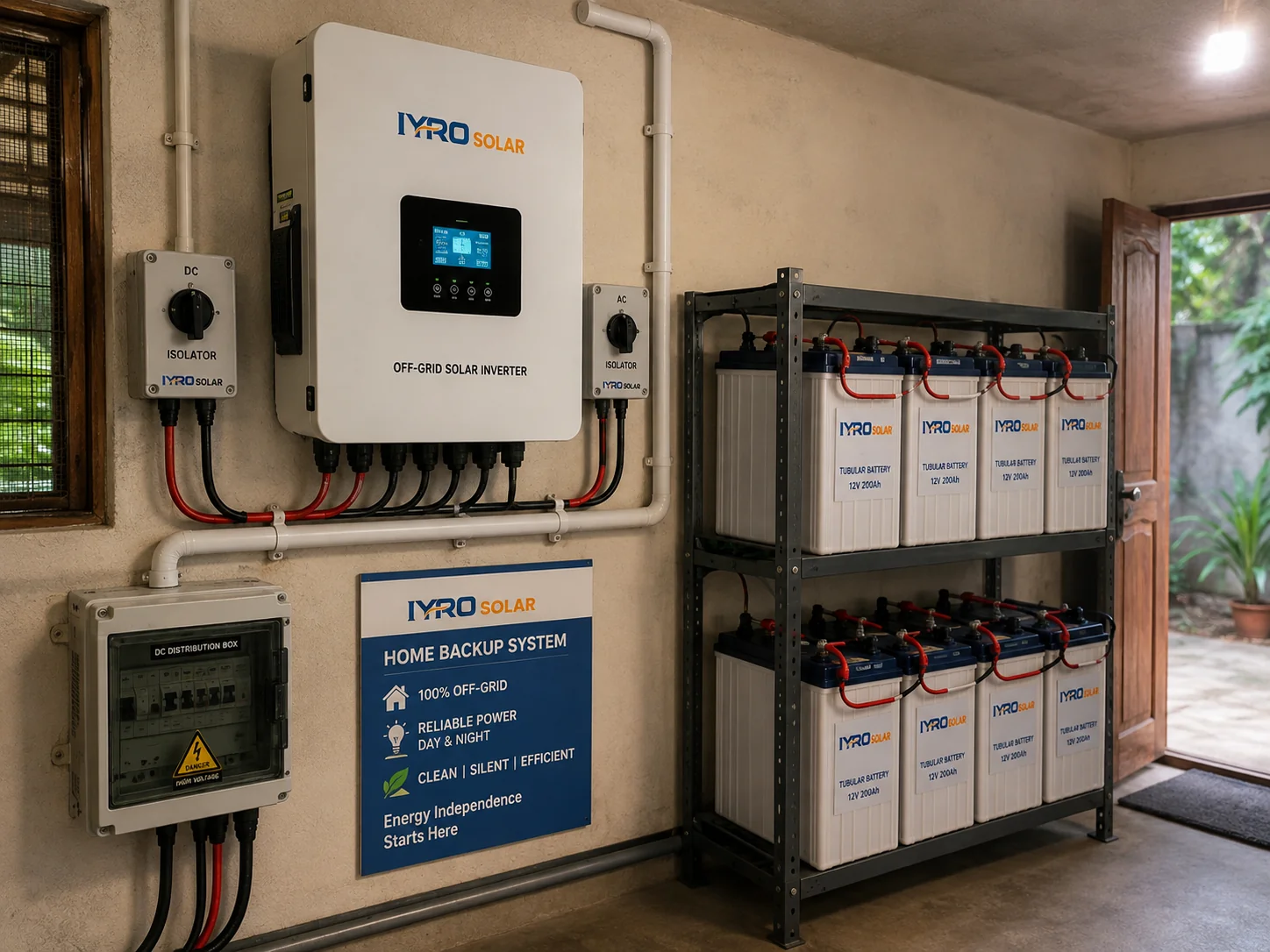
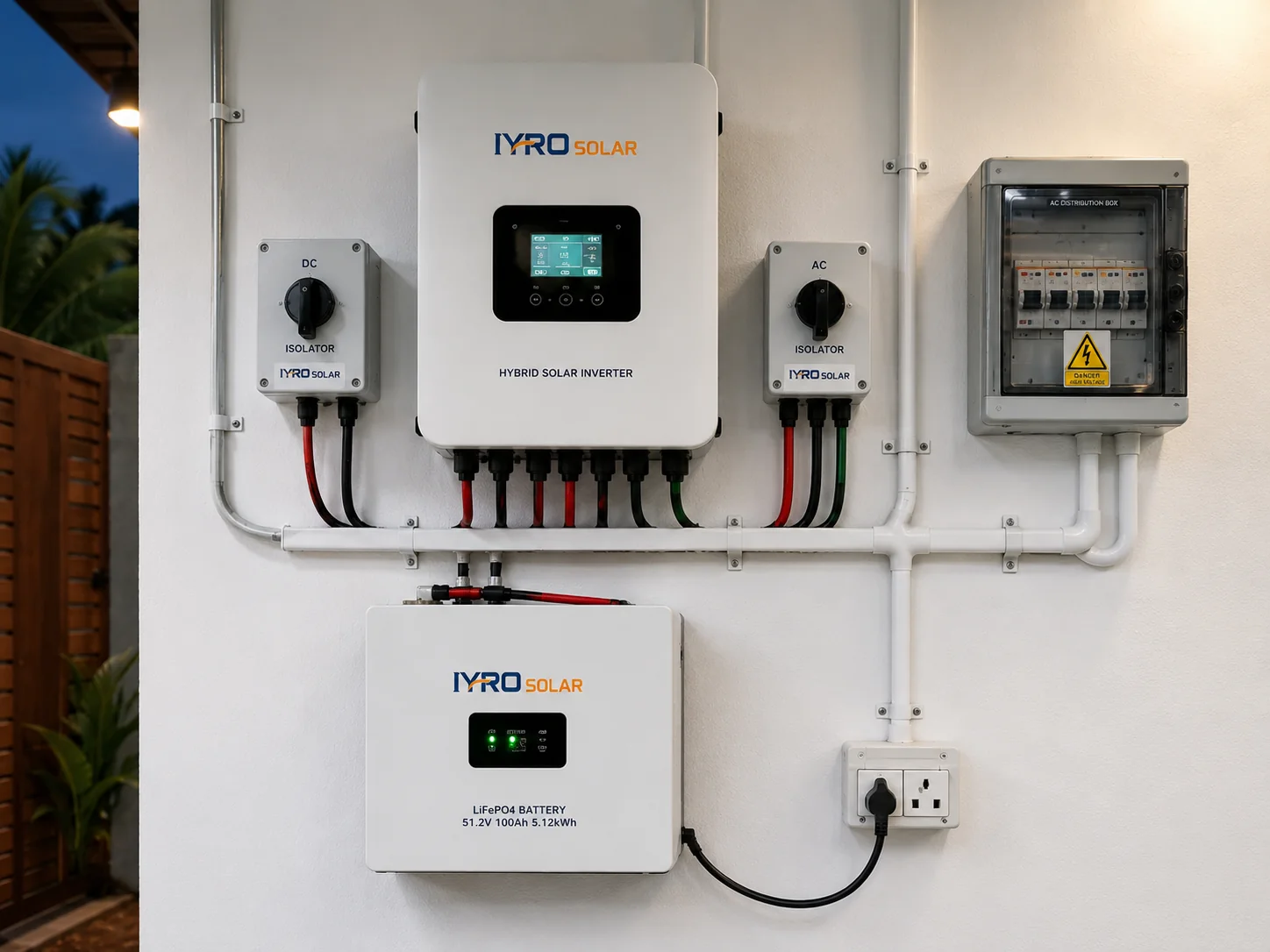
Paired with a hybrid inverter for evening outages.
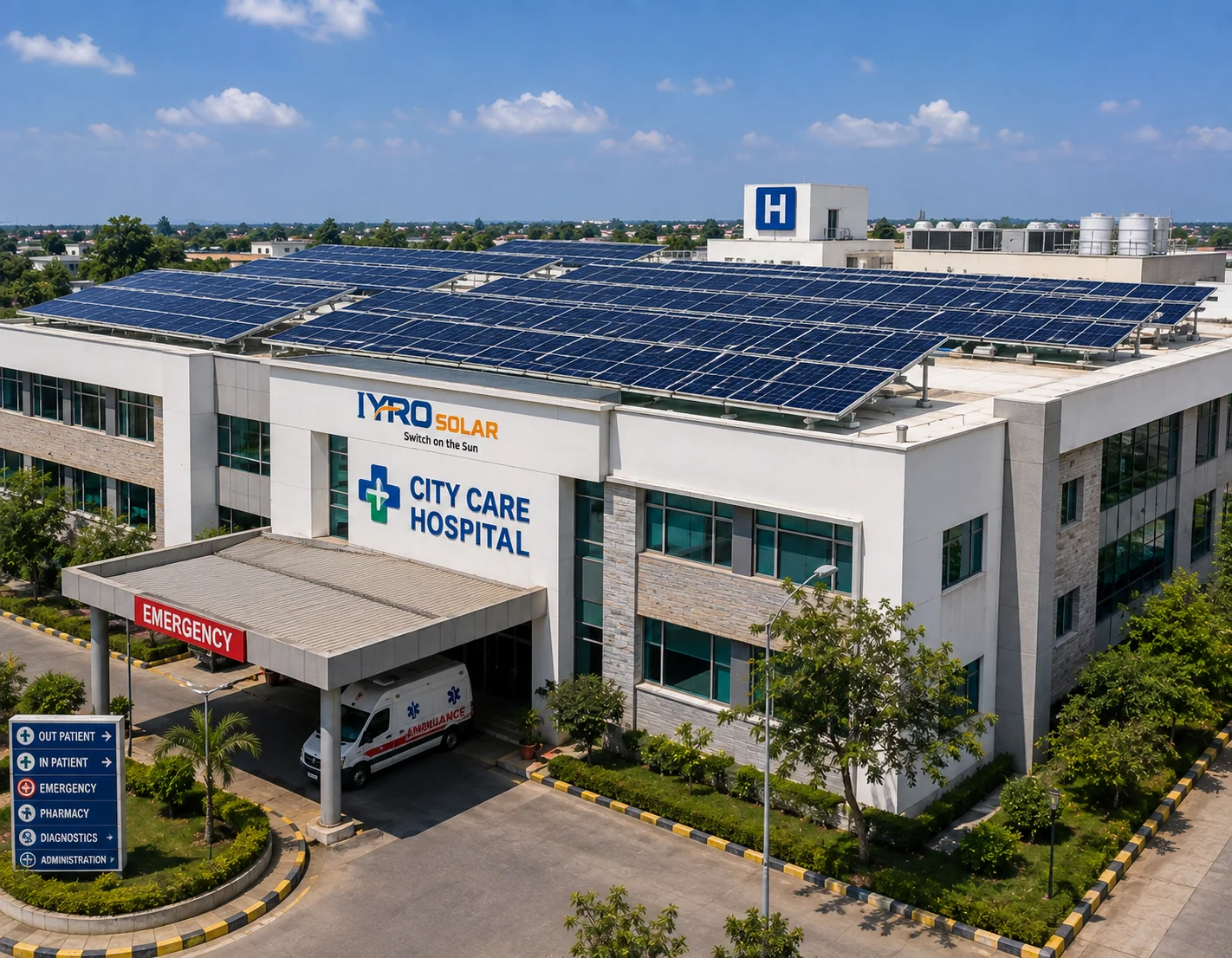
Critical loads
Sized to the circuits that genuinely cannot stop.
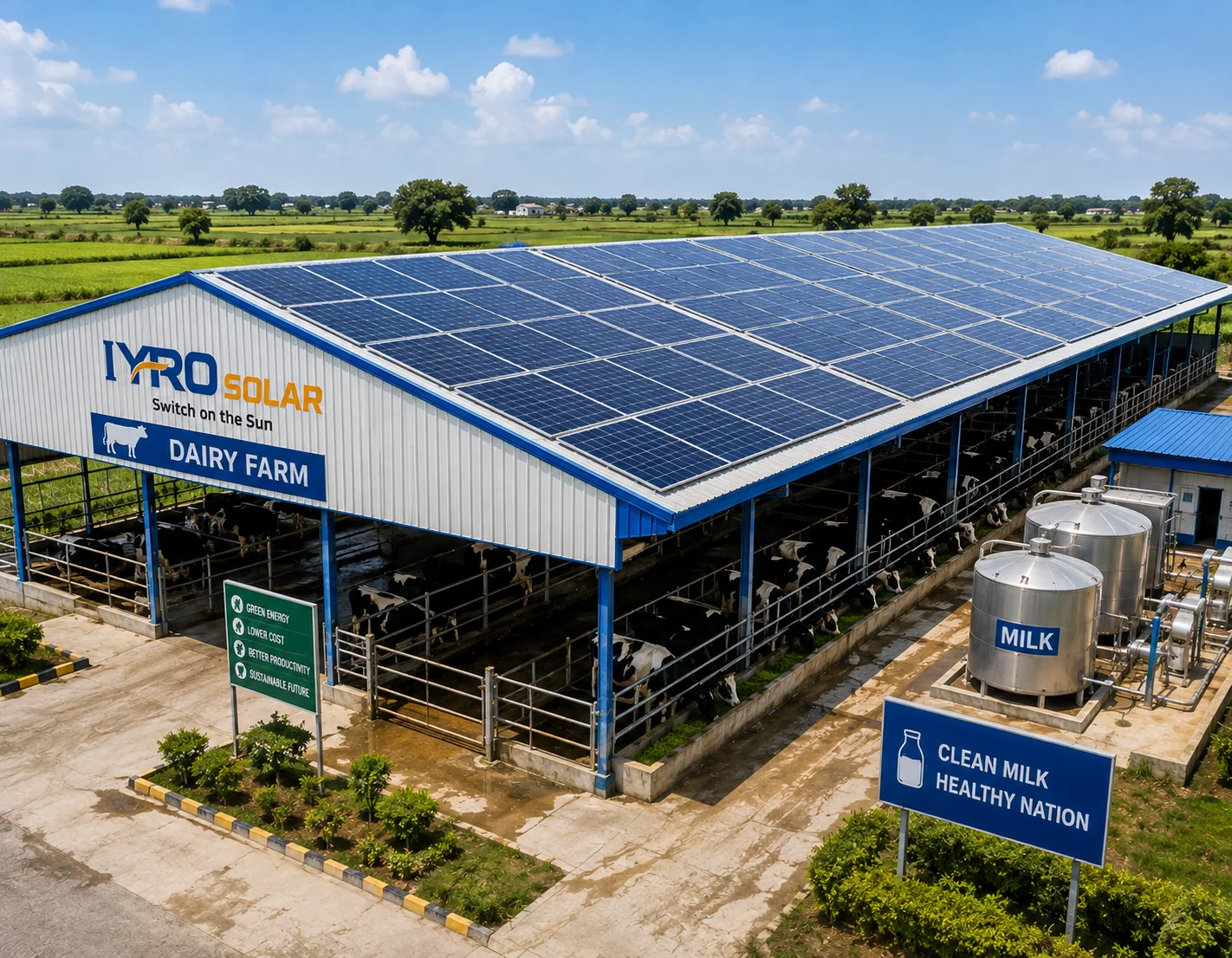
Off-grid farms
Overnight autonomy where there is no grid at all.
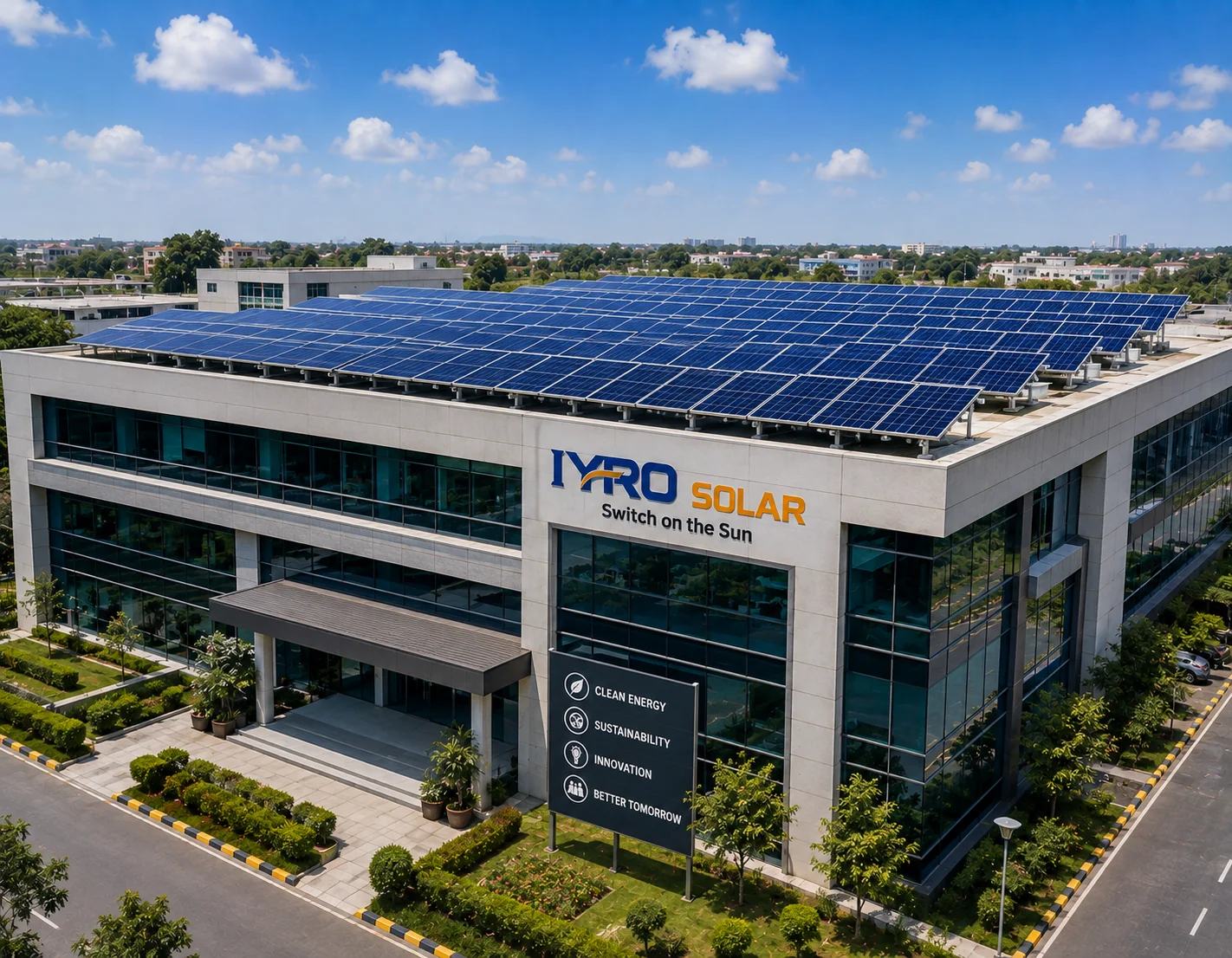
Small commercial
Tills, servers and lighting through an outage.
Compare
The full series, side by side
Selected model highlighted.
| Model | 100 Ah | 150 Ah | 200 Ah | 250 Ah | 100 Ah | 165 Ah | 200 Ah | 220 Ah | 260 Ah | 300 Ah | 350 Ah |
|---|---|---|---|---|---|---|---|---|---|---|---|
| Rated capacity (Ah) | 100 | 150 | 200 | 250 | 100 | 165 | 200 | 220 | 260 | 300 | 350 |
| Nominal voltage | 12 V | 12 V | 12 V | 12 V | 12 V | 12 V | 12 V | 12 V | 12 V | 12 V | 12 V |
| Cycle life at 50% DoD | |||||||||||
| Plate type | Tubular | Tubular | Tubular | Tubular | Tubular | Tubular | Tubular | Tubular | Tubular | Tubular | Tubular |
| Dimensions (mm) | |||||||||||
| Weight (approx.) (kg) | 55 | 62 | 71 | 76 | 52 | 59 | 65 | 67 | 73 | 76 | 85 – 87 |
Common To Every Model
| Chemistry | Lead-acid, tubular |
| Rating basis | ISB- series rated at C10; ISTT- series rated at C20 |
| Container | PPCP |
| Separator | PVC German |
| Design life | 8 years |
| Self discharge | < 3% |
| Operating temperature | 0 °C to 55 °C |
| Charge method | CCCV at 25 °C (77 °F) |
| Cycle use voltage | 14.4 – 14.7 V |
| Standby use voltage | 13.8 – 14.2 V |
| Temperature compensation | 75 mV/300 mAh |
| C10 discharge rates (ISB-) | 10 hr rate 83 / 124.5 / 157.7 / 207.5 Ah; 3 hr rate 71.7 / 107.6 / 136.2 / 179.3 Ah |
| C20 discharge rates (ISTT-) | 10 hr rate 88 / 143 / 176 / 193.6 / 230 / 265 / 300 Ah; 3 hr rate 64.5 / 105 / 129 / 141.9 / 167.7 / 193.5 / 225.75 Ah |
| Maximum discharge current (3 s) | 300–740 A on the C10 series; 600 A on the C20 series |
Documentation
Everything a tender pack needs
No form, no registration. Datasheets are per model.
Product Documents
Test Certificates
What is the difference between the C10 and C20 series?
The rate the capacity is measured at. A C20 rating is measured over a gentle 20-hour discharge and reads roughly 15% higher than the same battery rated at C10. The ISB- models are C10 rated, the ISTT- models C20 — compare within a series, not across.
What capacities are available?
100, 150, 200 and 250 Ah at C10; 100, 165, 200, 220, 260, 300 and 350 Ah at C20. All are 12 V.
How long will a bank last?
The design life is 8 years. Cycle life depends on how deeply you discharge it — shallower cycling extends it considerably.
Lithium or tubular?
Lithium wins on cycle life, weight and footprint. Tubular wins decisively on capital cost and on tolerance of the charging abuse a real site delivers. Most Indian residential systems are still specified tubular.
Request Pricing
Tell us the rating and the volume.
Pricing, current lead time and the datasheet come back within one working day. Dealer, project and tender quantities all welcome.
Also In Range
Complete the system